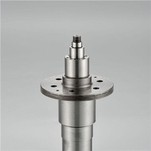
The steels commonly used in the manufacture of gears are quenched steel, quenched steel, carburized quenched steel and nitriding steel. Cast steel has a slightly lower strength than forged steel and is often used for larger size gears; Gray cast iron has poor mechanical properties and can be used in lightly loaded open gear transmission; Ductile iron can partially replace steel to make gears; Plastic gears are mostly used in places with light loads and low noise requirements, and the gears paired with them are generally steel gears with good thermal conductivity.
In the future, gears are developing in the direction of heavy load, high speed, high precision and high efficiency, and strive for small size, light weight, long life and economic reliability.
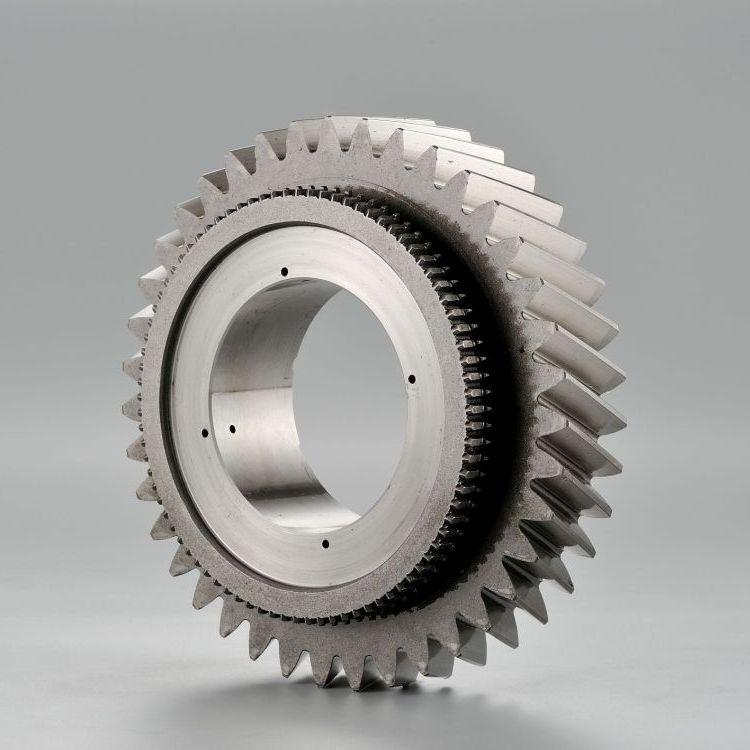
The development of gear theory and manufacturing process will be to further study the mechanism of gear tooth damage, which is the basis for establishing a reliable strength calculation method, and is the theoretical basis for improving gear bearing capacity and prolonging gear life; Development of new tooth shapes represented by arc tooth profiles; Research on new gear materials and new processes for manufacturing gears; The elastic deformation, manufacturing and installation errors and temperature field distribution of gears are studied, and tooth modification is carried out to improve the smoothness of gear operation, and increase the contact area of gear teeth when fully loaded, so as to improve the bearing capacity of gears.
Friction, lubrication theory and lubrication technology are the basic work in gear research, the study of elastic fluid dynamic pressure lubrication theory, the promotion of the use of synthetic lubricating oil and the appropriate addition of extreme pressure additives to the oil, can not only improve the bearing capacity of the tooth surface, but also improve the transmission efficiency.